We offer a group sessions where we prepare meals, combining edibles collected on foraging walks, food from our gardens and allotments and locally sourced produce. We believe that learning new skills together outdoors improves social, emotional, and physical well-being, and strengthens community bonding. Our desire is to design and deliver community-based programme which engage individuals or groups with their shared heritage and love for nature.
Foraging
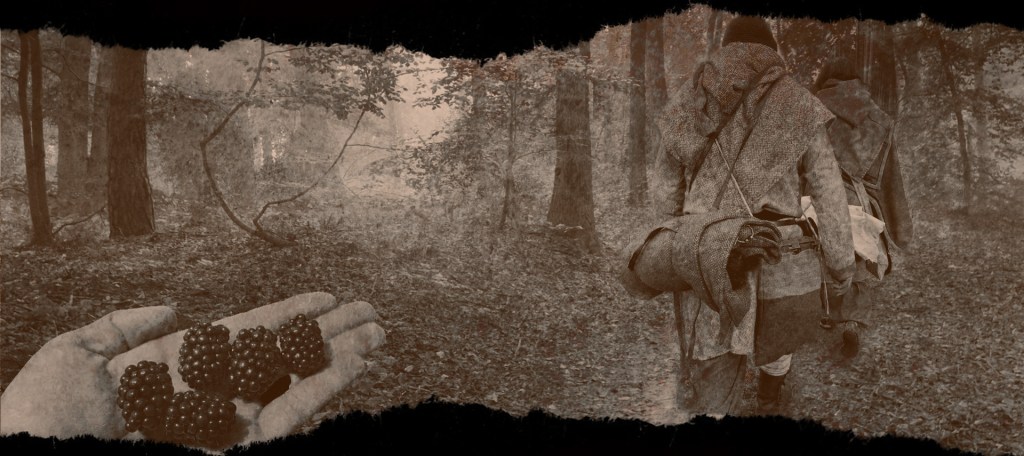
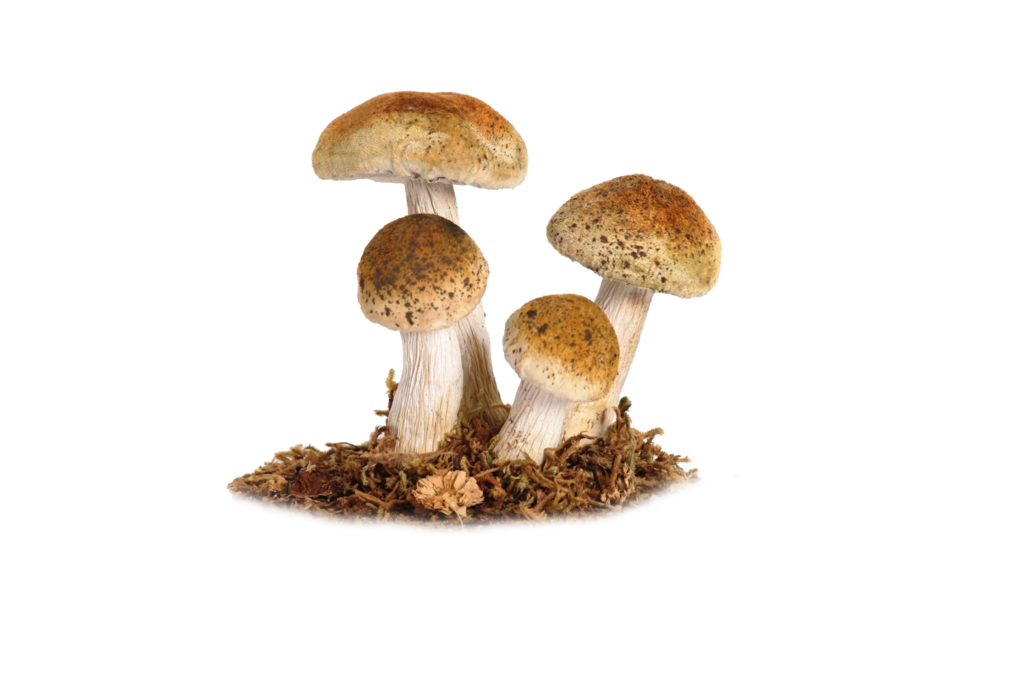
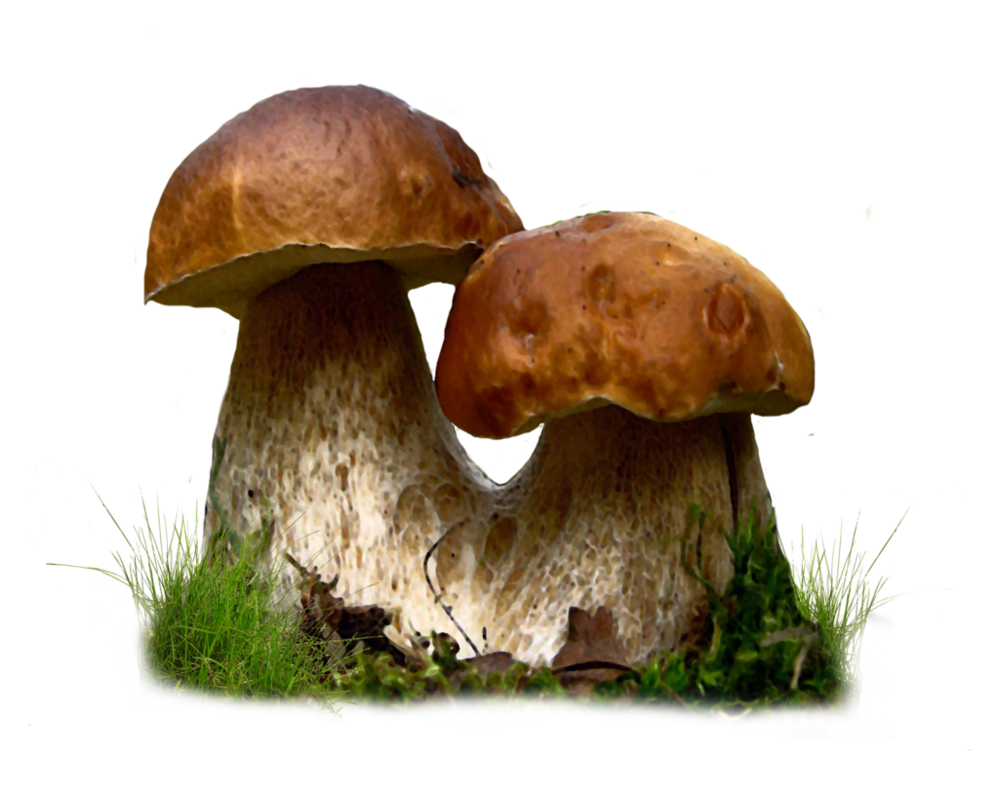
Our idea of foraging walks is more about getting participants into nature and teaching the way our ancestors search for wild food, such as berries, seeds, and other edible plants. We are aware there are some rules and codes to follow during foraging. Firstly, in line with the Wildlife and Countryside Act 1981, it is illegal to collect wild plants or fungi on a National Nature Reserve (NNR) or a Site of Special Scientific Interest (SSSI). Secondly, no-one should pick spices which are unknown as might be harmful and everyone should remember to forage only what you can use and leave enough for others, including wildlife. Our Foraging walks will be guided only by well qualified and experienced members of The Association of Foragers.
“Into the forest, I go to clear my mind and discover my true self.”
– John Muir
Being close to nature or viewing nature improves our well-being. Besides boosting happiness, positive emotion, and kindness, exposure to nature may also have physical and mental health benefits.
Being connected to nature means having a deep and meaningful relationship with the natural world around us. It involves spending time in natural environments, observing and appreciating the beauty of nature, and feeling a sense of awe and wonder at the complexity and diversity of life on Earth. Research has shown that being connected to nature can have a positive impact on our physical and mental well-being, including reducing stress, improving mood, and increasing creativity and productivity.
“Landscapes are shaped by people and the way we work with each other and within our communities will determine our legacy. Let’s commit to building ‘bigger, better, more joined up’ human networks for our landscapes to support our drive to protect and enhance nature. We hold the heritage of our past and the possibilities for future generations in all our hands and true success will lie in inspiring many, many more with this vision.”
–Alison Barnes FRSA FLI, CEO New Forest National Park Authority
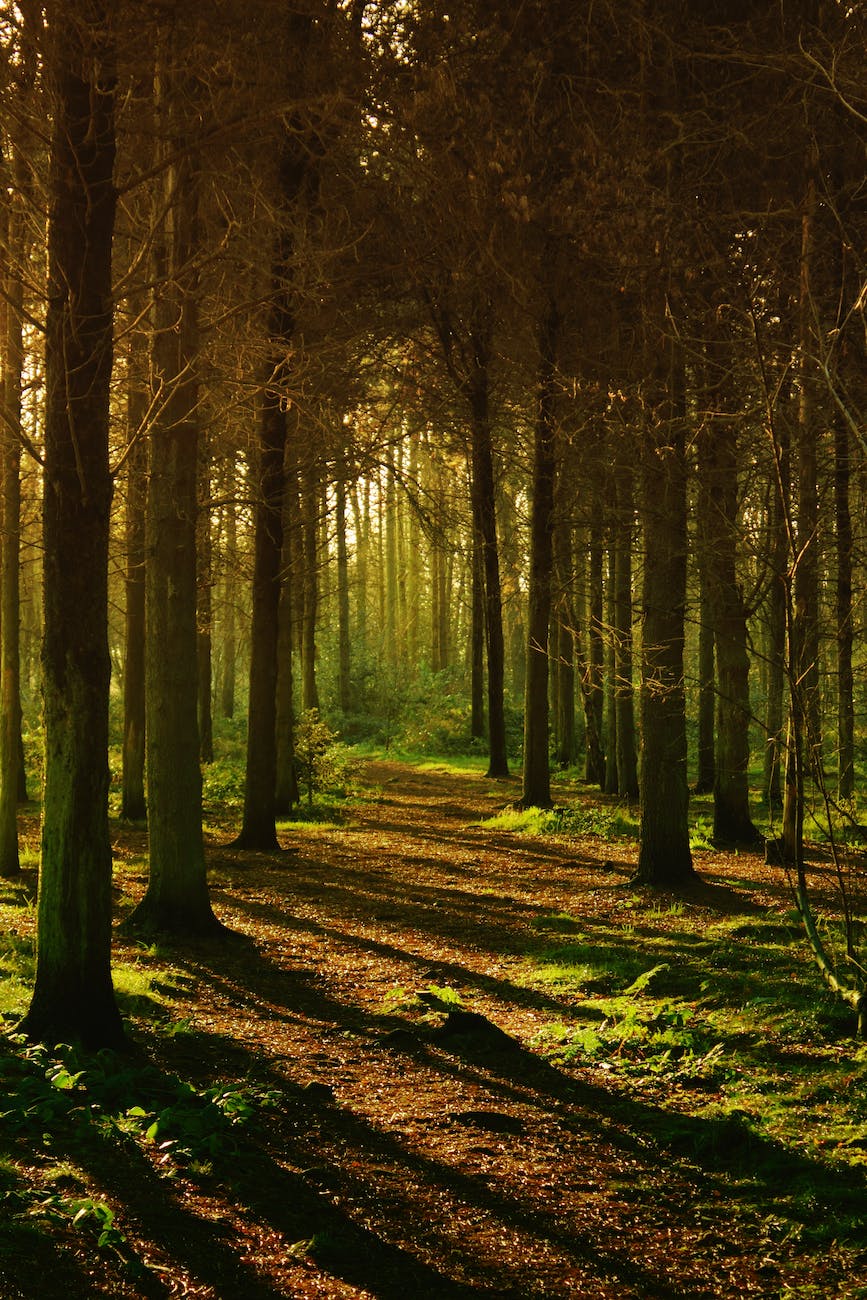
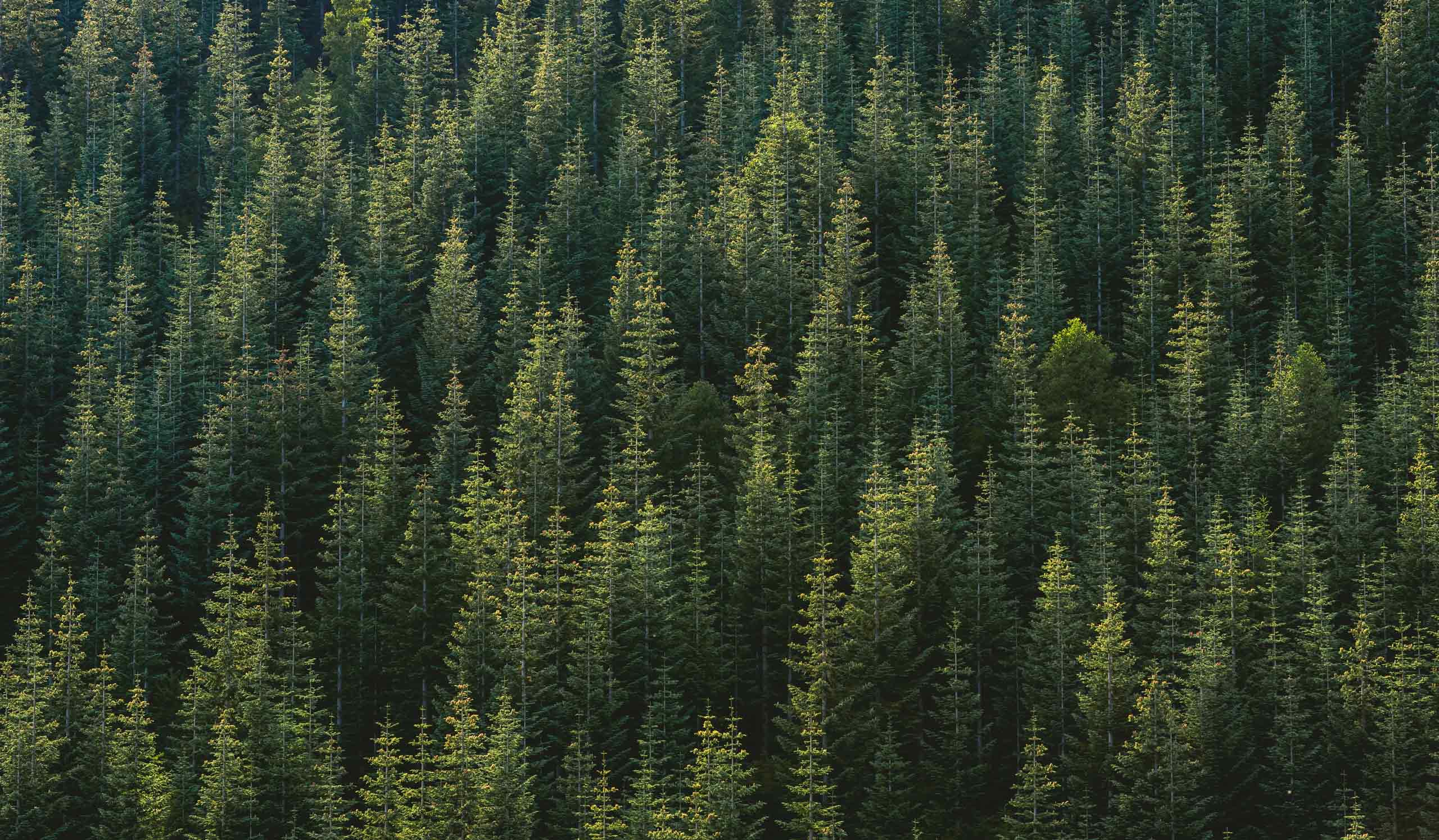
Forest.
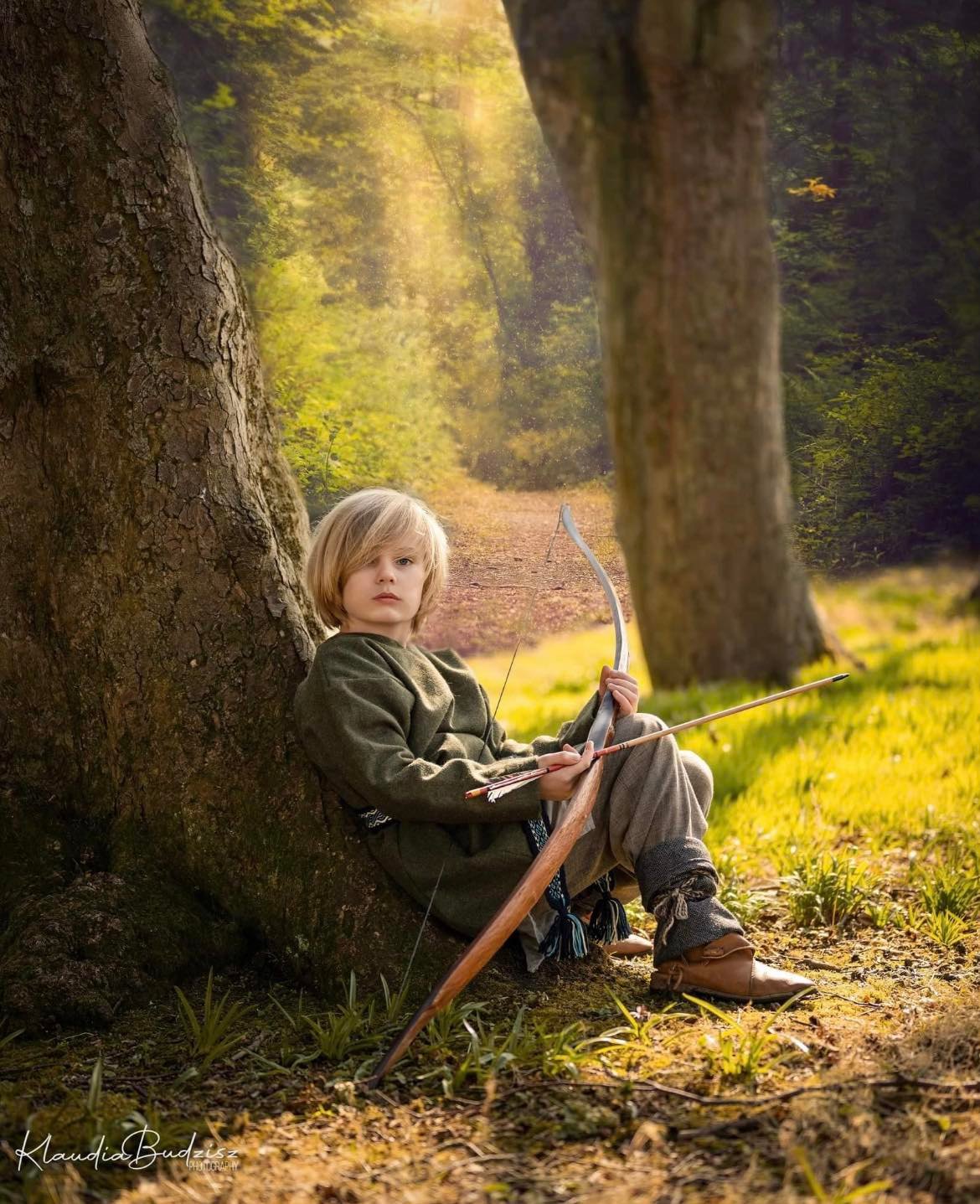
Even a child knows how valuable the forest is. The fresh, breathtaking smell of trees. Echoing birds flying above that dense magnitude. A stable climate, a sustainable diverse life and a source of culture. Yet, forests and other ecosystems hang in the balance, threatened to become croplands, pasture, and plantations.
 Amber Othala SCIO