
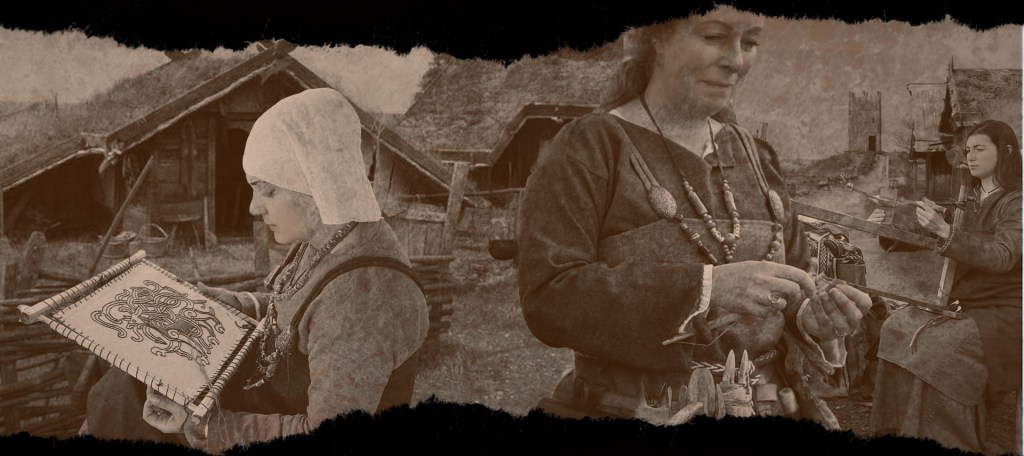
Many crafts survived in the hands of a few individuals whose rare skills date back as far as 1000 years. They are part of our history, craftsmanship and attention to detail that most of us probably thought had vanished forever. Our aim is to celebrate the best of these ancient crafts, before they disappear and, more importantly, to try them ourselves. The difference about our workshops is that we connect studying traditional crafts together with the history learning.
Learn it ! Try it ! Do it !
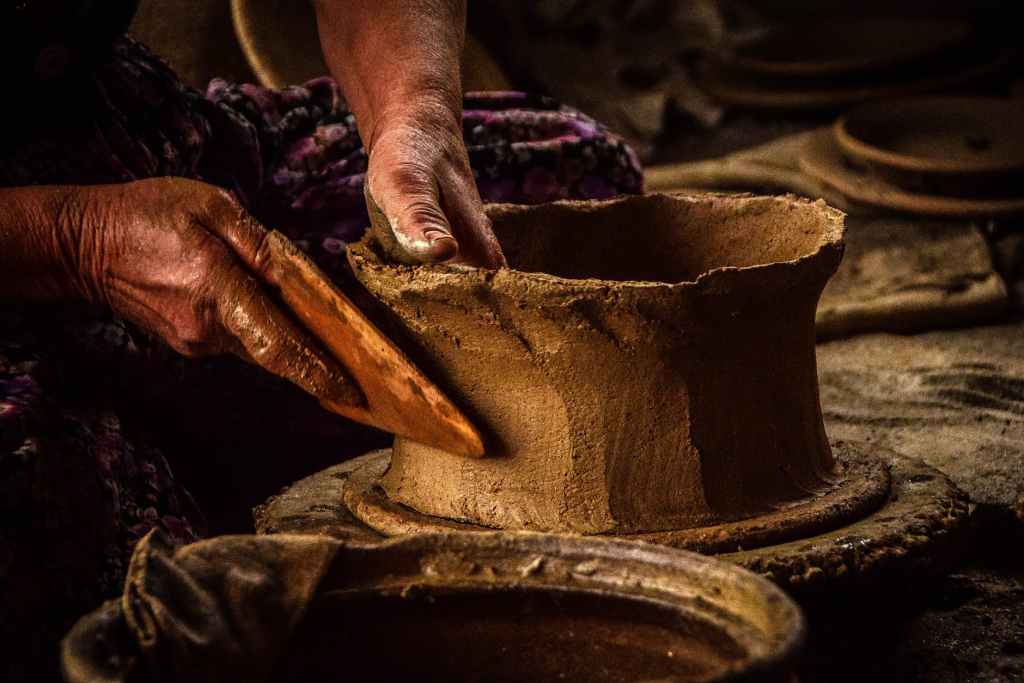
POTTERY
Pottery provides a primary source of evidence for numerous periods and civilizations, on account of the ubiquity of clay across the world.
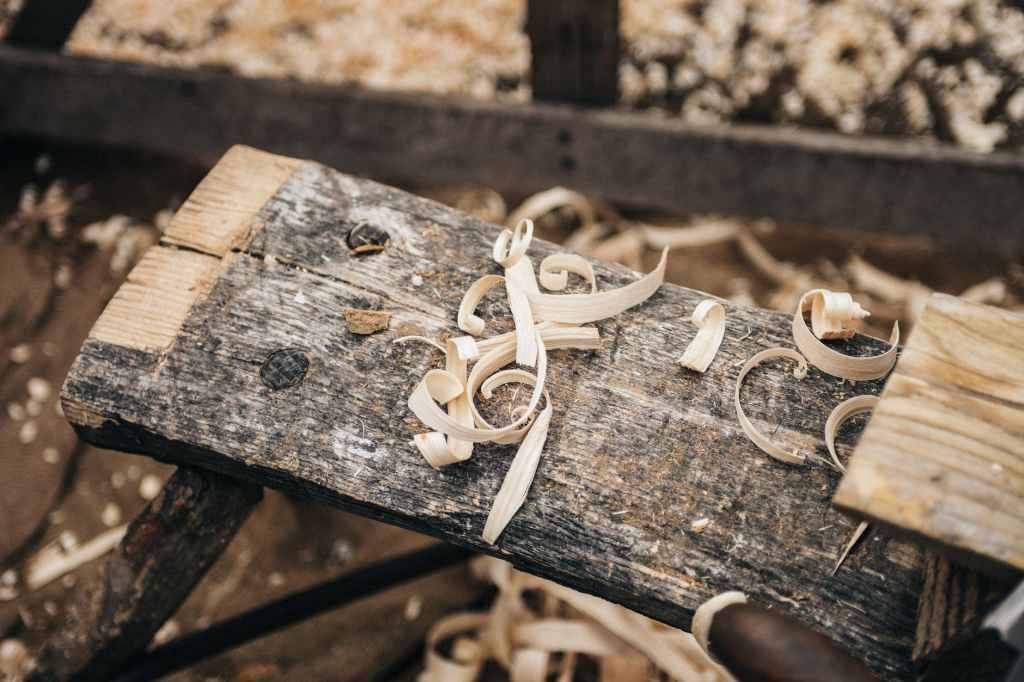
WOODWORK AND WHITTLING
The use of wood as a raw material in the medieval world for a wide variety of functional and artistic purposes was almost as widespread as living nature itself. The medieval woodworker had access to almost the same set of standard hand tools available today, and construction methods were also extremely similar.
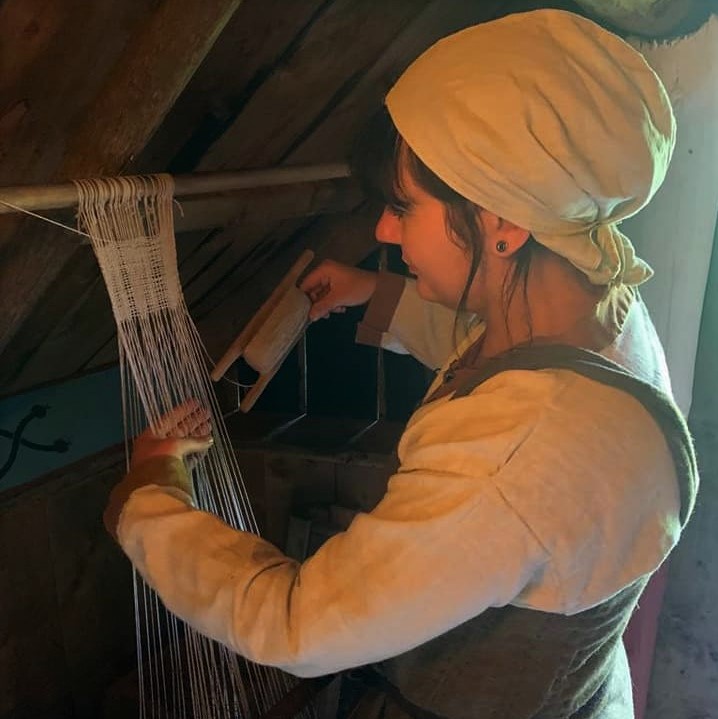
TEXTILES
Over the course of several millennia, textiles were the primary form of aesthetic expression and communication for the diverse cultures. Finely worked and highly decorative textiles came to symbolize both wealth and status, fine cloth could be used as both a tax and currency in the past.
Wool thread is versatile and can be used in many projects such as, tablet weaving, embroidery, sewing, braiding and more.
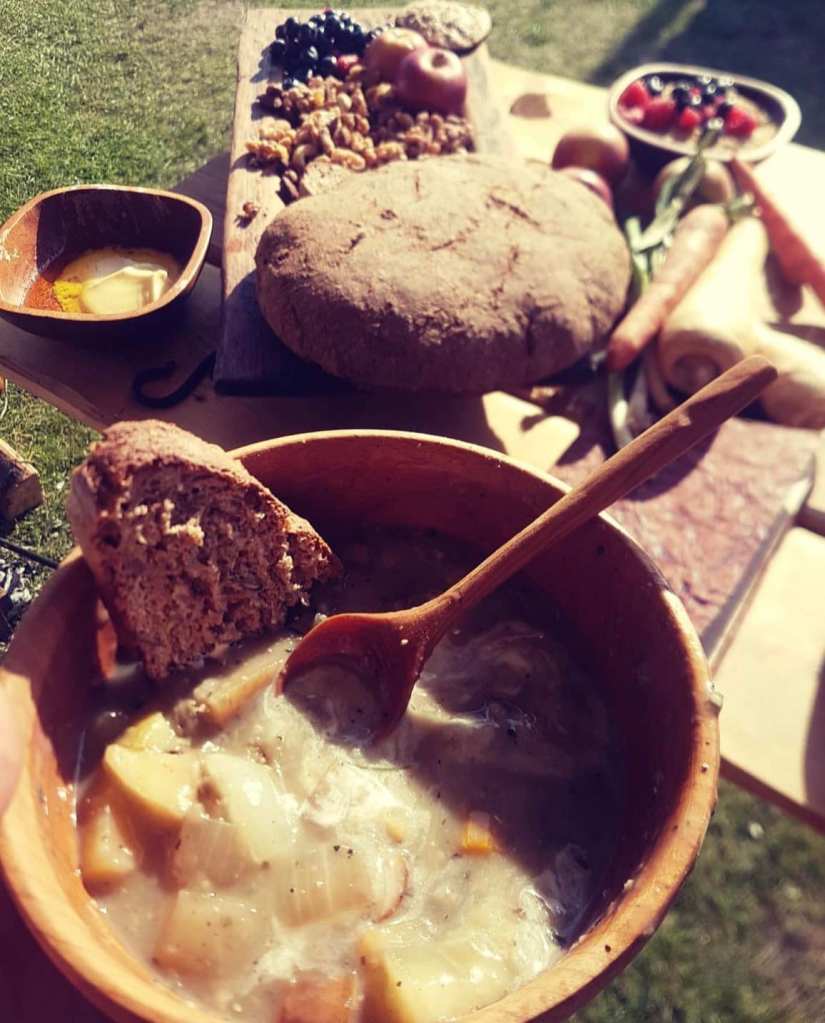
FORAGING AND COOKING
Foraging is the art and practice of finding food, tools and medicinal herbs in their wild habitat. On our foraging walks we work with the seasons and often forage for plants, mushrooms, seaweeds & flowers.
Explore and learn how recipes were prepared in the Middle Ages.
 Amber Othala SCIO